
ayurveda
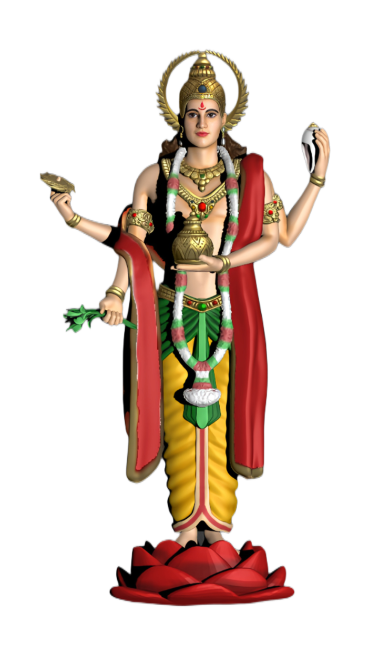
Charaka, a prominent scholar and practitioner of Ayurveda in 300 BC, is known as the “Father of Ayurveda” or “Father of Ayurvedic Medicine”. His most notable work is the classical Ayurvedic text Charaka Samhita, which describes many diseases and their treatments, and mentions about 340 plant types and 200 animal types. In Hindu mythology, Dhanvantari is the god of medicine and Ayurveda, and is considered the GOD of Ayurveda. He is also known as the physician of the gods and an incarnation of Vishnu.
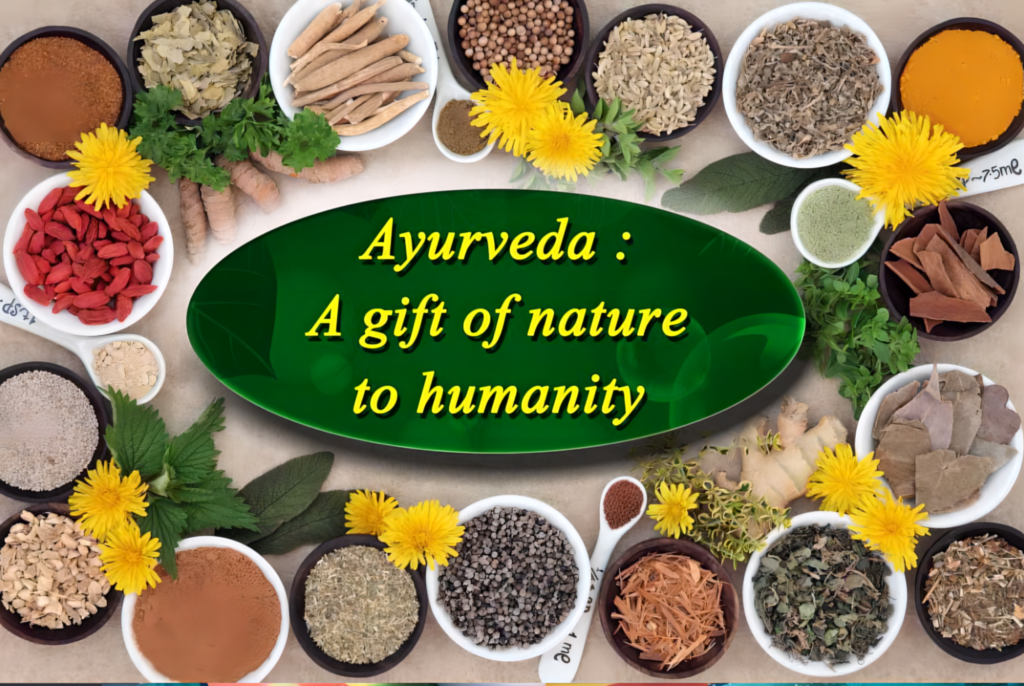
Ayurveda is an ancient Indian system of medicine that has been practiced for more than 5,000 years. The word Ayurveda comes from the Sanskrit words ayur, meaning life, and veda, meaning science or knowledge. The basic principle of Ayurveda is to maintain balance in the body, mind, and consciousness to prevent and treat disease. The texts of Ayurveda describe three fundamental doshas: vata, pitta, and kapha, and state that balance (Sanskrit: samyatva) of the doshas leads to health, while imbalance (vishamatva) leads to disease. Ayurveda medicine is successful in the prevention, management, and treatment of acute and chronic disease
